
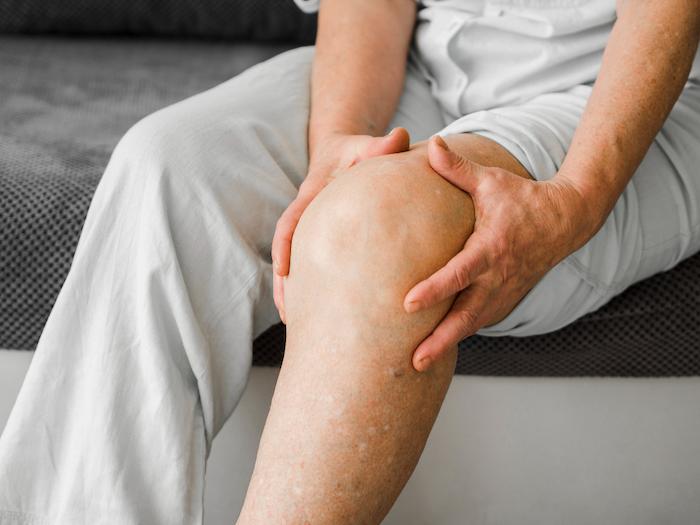
Many people, especially as they age, experience pain in their knee(s). Most people try to ignore it at first and do not think much of the pain. However, there could be a number of reasons as to why one’s knee is in pain. This is why diagnosis is extremely importan. Quite frequently, the reason for the pain is Osteoarthritis.
What Is Knee Osteoarthritis?
Osteoarthritis is a type of arthritis that is responsible for the breaking down of cartilage in joints.
Once the cartilage between joints is destroyed, it leaves the joints bare. The joints then rub against each other. As the joints rub against one another it causes a lot of pain, and leads to stiffness of the joints. The pain and stiffness make moving around much more difficult. It is important to not ignore the pain. The longer the knee is neglected the more the problem will develop.
Some symptoms to watch out for include: swelling, stiffness, constant pain, and decreased coordination. These symptoms could all be a result of Osteoarthritis. The symptoms mentioned affect the movement of a person in general. When suffering from all these symptoms, moving around becomes increasingly difficult and a person is thus limited.
Osteoarthritis usually occurs in women but it can also affect men. In general, people of older age (approximately 50 and over) tend to develop Osteoarthritis in comparison to someone younger who would have a much lower chance of being affected by this condition. As well, people with a high BMI (Body Mass Index), for example people suffering from obesity, are also at a high risk of developing Osteoarthritis.
Osteoarthritis of the knee can be treated. It is important, however, to contact a doctor as soon as possible if you are experiencing pain in your knee. If the reason is Osteoarthritis, it will be a lot easier to treat in its early stages in comparison to over time when the condition will have further developed. The treatment will aid in reducing pain and maintaining a “normal” lifestyle. Some medications that can help in treatment of osteoarthritis include Synvisc, Synvisc One, Orthovisc, Hyalgan and Euflexxa.
You can buy Orthovisc online from a Canadian pharmacy through CanDrugStore.com
Stages of Knee Osteoarthritis and Pain Progression
Knee osteoarthritis has four stages. Each stage gets worse over time. As the joint breaks down, pain increases.
Stage 1 – Minor (early Osteoarthritis)
At this stage, the knee looks almost normal. Small bone spurs may show up on an X-ray. However, the joint space is still normal. Most people feel little or no pain. Some may notice mild discomfort or stiffness after heavy activity.
Stage 2 – Mild
Bone spurs continue to grow. The cartilage begins to show early damage. Even so, the joint space is usually still intact. Pain is mild and comes and goes. It often appears after walking, standing, or getting up from a chair. Some stiffness may occur in the morning or after rest.
Stage 3 – Moderate
The cartilage is now clearly thinning. The joint space begins to narrow. Bone spurs get bigger, and the joint becomes inflamed. Pain happens more often. It can occur during everyday tasks like walking, squatting, or kneeling. Stiffness and swelling are common. Some people feel a catching or locking in the knee, or hear a crackling sound.
Stage 4 – Severe
Most of the cartilage is gone. The joint space is very narrow or has disappeared. Bones rub directly against each other. Pain is severe and may be constant, even at rest. Walking, climbing stairs, and daily tasks become very hard. Stiffness and limited movement are major problems. At this point, many people consider knee replacement surgery.
Key Risk Factors for Developing Knee Osteoarthritis
Some risk factors cannot be changed. Others can. Both types play a role in knee osteoarthritis (OA).
Major non‑modifiable factors
Age: The risk of knee Osteoarthritis rises as you get older. Over time, cartilage and joint structures naturally break down.
Sex: Women are about twice as likely to develop knee Osteoarthritis as men. This risk increases especially after middle age.
Genetics and Family History: Osteoarthritis can run in families. Certain genes make it more likely that your joints will break down over time.
Joint Shape and Alignment: Some people are born with knock knees or bow legs. Others have joint or bone conditions. These problems put uneven pressure on the knee. As a result, the joint wears down faster.
Major modifiable mechanical factors
Overweight and Obesity: Extra body weight puts more pressure on the knees. It also increases inflammation in the body. Together, these can more than double the risk of knee Osteoarthritis.
Previous Knee Injury: A past injury can greatly raise the risk of Osteoarthritis later in life. This includes torn meniscus, ACL injuries, fractures, or other serious trauma.
Repetitive Kneeling, Squatting, and Heavy Work: Some jobs and sports involve a lot of squatting, kneeling, or heavy lifting. These repeated movements put stress on the knee. Over time, this strongly increases the risk of Osteoarthritis.
High-Impact Sports: Running, pivoting, and contact sports can wear down the knee joint. The risk is higher when training is too intense or technique is poor.
Other medical and lifestyle factors
Muscle Weakness and Joint Instability: Weak thigh muscles and poor joint control put extra strain on the knee. This speeds up joint damage.
Metabolic Conditions: Diabetes, metabolic syndrome, and chronic inflammation can all damage joints. They affect the knee through both chemical and mechanical processes.
Other Joint Diseases: Conditions like rheumatoid arthritis, gout, or joint infections can lead to Osteoarthritis over time. These diseases damage the knee, which then develops secondary OA.
Diet: Eating a lot of ultra-processed foods may increase the risk of Osteoarthritis. On the other hand, a Mediterranean-style diet rich in fiber may help protect the joints.
Poor Sleep and Depression: Short or poor-quality sleep is linked to a higher risk of Osteoarthritis. So is depression. Both can lead to weight gain, less physical activity, and more inflammation, all of which harm the joints.
Prevention and Management Strategies
Knee Osteoarthritis cannot always be prevented. However, the right combination of lifestyle changes, therapy, and treatment can reduce pain and slow the disease down.
Prevention strategies (before or in very early Osteoarthritis)
Keep a Healthy Weight: Losing just 5–10% of body weight takes a lot of pressure off the knees. This lowers the risk of developing Osteoarthritis or making it worse.
Stay Active: Regular low-impact exercise keeps joints healthy. Good options include walking, cycling, swimming, and water aerobics. These activities improve strength and flexibility without stressing the knee.
Strengthen Your Legs and Hips: Strong thigh, hamstring, glute, and core muscles support the knee. This reduces strain on the joint and helps it move properly.
Protect Your Joints: Use good technique during exercise and sport. Always warm up first. Wear supportive footwear. Try to avoid deep squatting, twisting, and repetitive high-impact movements.
Look After Your General Health: Manage conditions like diabetes. Eat an anti-inflammatory diet rich in fruits, vegetables, fish, and whole grains. Avoid smoking and long-term steroid use.
Non‑drug management (core treatment at all stages)
Learn About Osteoarthritis: Understanding your condition helps. Set realistic goals, pace your activities, and learn how to manage flare-ups. This reduces fear of movement and helps you stay active.
Exercise and Physiotherapy: A structured exercise program is one of the best treatments for knee Osteoarthritis. It should include stretching, strength training, balance work, and aerobic activity. A physiotherapist can tailor the program to your needs.
Modify Your Activities: Switch from high-impact sports to low-impact ones. Take breaks during long periods of standing or walking. Use a cane or walking poles if needed.
Combine Diet and Exercise for Weight Loss: Diet and exercise together work better than either one alone. This combination improves both pain and mobility.
Braces and Supports: Knee braces, patellar taping, and shoe inserts can reduce pain for some people. They work best for those with uneven joint wear or alignment problems.
Heat and Cold Therapy: Apply heat before activity to ease stiffness. Use ice after activity or during a flare-up to reduce swelling and pain.
Medication‑based pain management
Topical Treatments: Gels or creams containing anti-inflammatory medicine (such as diclofenac gel) are often the first choice. They are safer than tablets, especially for older adults.
You can buy Pennsaid Gel 1.50% for as low as $1.85 per ml from a Canadian pharmacy through CanDrugStore.com
Oral Pain Relievers: Paracetamol may help some people. Anti-inflammatory tablets (NSAIDs) can also be used if safe to do so. Always discuss risks with your doctor, especially if you have heart, kidney, or stomach issues.
You can buy NSAIDs like Ibuprofen online from a Canadian pharmacy through CanDrugStore.com
Injections into the Knee: Steroid injections can give short-term relief during bad flare-ups. Other injections, such as hyaluronic acid, may be used in some cases depending on guidelines and your doctor’s recommendation.
Other Medications: Duloxetine may help when pain is ongoing and linked to mood disorders. Opioids are generally avoided. They are only considered as a last resort for short-term use.
You can buy Duloxetine online from a Canadian pharmacy through CanDrugStore.com
Surgical and interventional options
Arthroscopy (Keyhole Surgery): This is not recommended for general Osteoarthritis clean-up. However, it may help in specific cases, for example, if there is a loose fragment in the joint or true locking of the knee.
Osteotomy (Bone Realignment): This surgery shifts weight away from the damaged part of the knee. It is considered for younger patients with Osteoarthritis on one side of the joint and alignment problems.
Knee Replacement: Partial or total knee replacement is an option when pain is severe and other treatments have not worked. It is considered when the joint is significantly damaged and daily function is affected.
Newer Approaches: Structured rehabilitation and neuromuscular training after ACL or meniscal injuries are being used to lower the risk of Osteoarthritis developing after a serious knee injury.
FAQs
What helps knee pain from osteoarthritis?
Knee osteoarthritis pain is best helped by staying active with low‑impact exercise, strengthening the leg muscles, and reducing excess body weight, which together ease pressure on the joint and improve function. Medications like topical or oral NSAIDs, physical therapy, heat or cold, braces, and sometimes injections (such as corticosteroids or hyaluronic acid) can further reduce pain when needed.
What foods make osteoarthritis worse?
Foods that tend to make osteoarthritis symptoms worse are those that promote inflammation or weight gain, such as sugary foods and drinks (candy, pastries, soda), fried and fast foods, and highly processed snacks made with trans fats or refined carbs like white bread and pasta. Red and processed meats, high‑fat dairy, foods cooked at very high temperatures (which raise advanced glycation end products), and excessive alcohol or salt can also aggravate joint inflammation in some people, so limiting these while focusing on a balanced, plant‑forward diet is often helpful.
Is walking good for arthritis in the knee?
Yes. Regular walking is generally good for knee osteoarthritis because it lubricates the joint, strengthens the muscles that support the knee, and can reduce pain and stiffness over time. It should be low‑ to moderate‑intensity on flat, safe surfaces, started gradually, and adjusted or paused if a particular level or style of walking clearly flares pain that does not settle with rest.
References:
- Harvard Medical School. Walking for exercise may prevent knee pain. https://www.health.harvard.edu/pain/walking-for-exercise-may-prevent-knee-pain
- PubMed Central. Walking to meet physical activity guidelines in knee osteoarthritis: Is 10,000 steps enough?. https://pmc.ncbi.nlm.nih.gov/articles/PMC3608824/
- Mayoclinic Health System. Knee arthritis: 5 alternatives to knee replacement surgery.https://www.mayoclinichealthsystem.org/hometown-health/speaking-of-health/troubled-by-knee-arthritis-but-not-ready-for-knee-replacement
- NHS. Treatment and support.https://www.nhs.uk/conditions/osteoarthritis/treatment/
- University of Maryland University. Osteoarthritis: 5 Foods to Eat and 5 to Avoid to Help Control your Symptoms. https://health.umms.org/orthopedics/control-osteoarthritis-symptoms/
- Arthritis Research Canada. Stop Osteoarthritis After a Knee Injury. https://www.arthritisresearch.ca/arthritis-research-education-series/stop-osteoarthritis/WebMD. Osteoarthritis Prevention. https://www.webmd.com/osteoarthritis/osteoarthritis-prevention-1
- PubMed Central. Strategies for the prevention of knee osteoarthritis. https://pubmed.ncbi.nlm.nih.gov/26439406/
- PubMed Central. Knee osteoarthritis prevalence, risk factors, pathogenesis and features: Part I. https://pmc.ncbi.nlm.nih.gov/articles/PMC3766936/
- WHO. Osteoarthritis. https://www.who.int/news-room/fact-sheets/detail/osteoarthritis
- CDC. Arthritis Risk Factors. https://www.cdc.gov/arthritis/risk-factors/index.html
- Illinois Bone and Joint Institute. Arthritis in Knee: 4 Stages of Osteoarthritis.https://www.ibji.com/blog/orthopedic-care/arthritis-in-knee-4-stages-of-osteoarthritis/
- Northern Beaches Intervention Radiology. The 4 Stages of Knee Osteoarthritis. https://blog.nbir.com.au/4-stages-of-knee-osteoarthritis
- Healthline. Stages of Osteoarthritis (OA) of the Knee. https://www.healthline.com/health/osteoarthritis-stages-of-oa-of-the-knee
- Rebound Orthopedics and Neurosurgery. Understanding the Stages of Knee Osteoarthritis. https://www.reboundmd.com/news/understanding-stages-knee-osteoarthritis<